You might wonder if the Oura Ring Detect Sleep Apnea. The answer is no—it tracks your sleep patterns, but it doesn’t diagnose sleep apnea. Sleep apnea affects millions worldwide.
-
Nearly 1 billion adults live with sleep apnea globally.
-
About 30 million adults in the U.S. have it, which is close to 9% of the population.
Smart rings like the CIRCUL Ring 2 MAX offer more advanced options for monitoring sleep apnea at home.
Key Takeaways
-
The Oura Ring tracks sleep patterns but cannot diagnose sleep apnea. It provides valuable insights into your sleep quality.
-
Monitor your Sleep Score and breathing patterns using the Oura Ring. Unusual data may indicate potential sleep issues.
-
If you notice frequent wake-ups or low Sleep Scores, consult a healthcare provider for further evaluation.
-
Consider advanced devices like the CIRCUL Ring 2 MAX for more comprehensive sleep apnea monitoring, including blood oxygen levels.
-
Early detection and treatment of sleep apnea can significantly improve your health and quality of life.
Oura Ring Detect Sleep Apnea: Capabilities and Limits
How Oura Ring Tracks Sleep
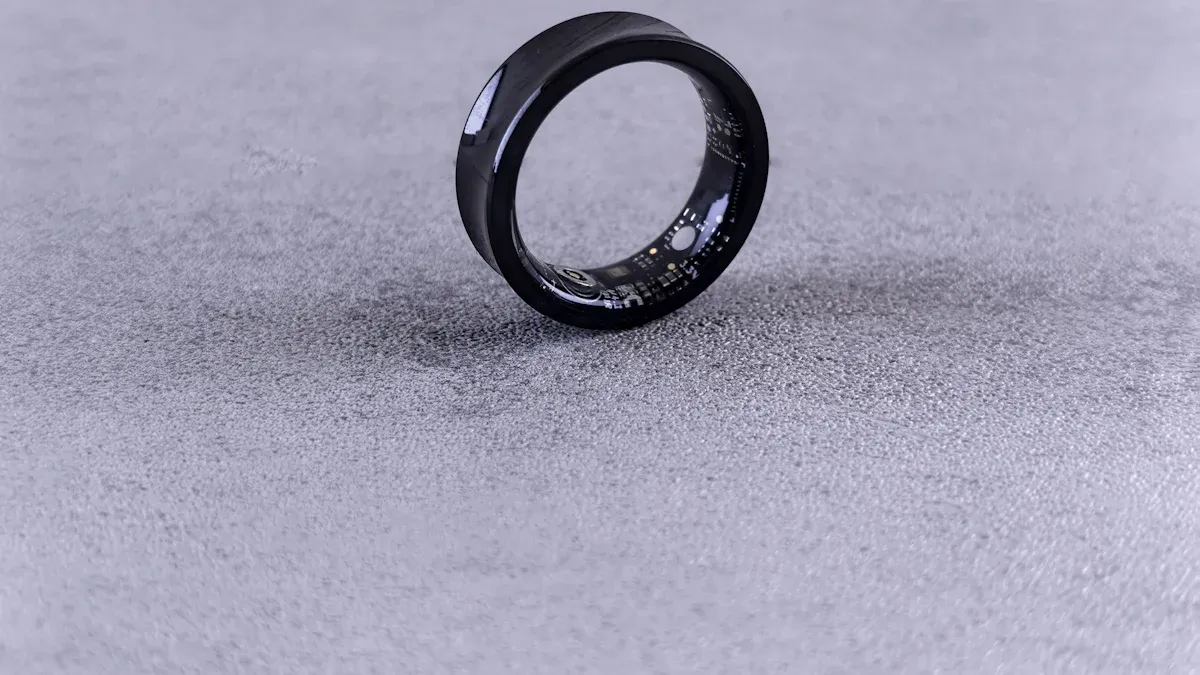
You probably want to know how the Oura Ring tracks your sleep. The ring uses a combination of sensors and smart algorithms to monitor your sleep every night. Here’s what you get when you wear it:
-
Three temperature sensors keep tabs on changes in your body temperature.
-
An accelerometer tracks your movement while you sleep.
-
Dual infrared photoplethysmography (PPG) sensors measure your pulse and blood flow.
These sensors work together to detect your sleep stages. The Oura Ring can spot light, deep, and REM sleep, then gives you a Sleep Score based on how long you sleep and how efficient your sleep is. The algorithms focus on precision, so you get detailed insights into your sleep patterns and how your autonomic nervous system responds during the night.
The Oura Ring stands out for its accuracy in detecting deep sleep and wake interruptions. Many users say it’s more reliable than other consumer devices, like the Apple Watch. If you want to track your sleep stages, the Oura Ring offers one of the best experiences among smart rings.
You might notice that the Oura Ring detect sleep apnea isn’t its main feature. It’s designed to help you understand your sleep, but it doesn’t diagnose sleep apnea. When you compare it to clinical sleep studies, the Oura Ring sometimes underestimates light sleep duration. It does a good job with deep sleep, but consumer devices like this can show bias patterns that affect overall accuracy.
What Oura Ring Measures for Sleep Apnea
If you’re curious about whether the Oura Ring detect sleep apnea, you should look at what it actually measures. The ring tracks several physiological signals that relate to sleep apnea, but it doesn’t measure everything needed for a diagnosis.
Here’s what the Oura Ring monitors:
-
Breathing regularity
These signals can give you clues about your sleep health. For example, changes in breathing regularity might hint at disturbances during sleep. If you see unusual patterns in your Oura Ring data, you might wonder if sleep apnea is the cause. Still, the Oura Ring detect sleep apnea only by tracking these signals—it doesn’t measure blood oxygen saturation, which is a key marker for sleep apnea.
Let’s look at a quick comparison table:
|
Feature |
Oura Ring Tracks |
Needed for Sleep Apnea Diagnosis |
|---|---|---|
|
Heart Rate Variability |
✅ |
✅ |
|
Breathing Regularity |
✅ |
✅ |
|
Blood Oxygen Saturation |
❌ |
✅ |
|
Sleep Stages |
✅ |
✅ |
You can use the Oura Ring to monitor your sleep and spot signs that might suggest sleep apnea. If you notice frequent wake-ups or irregular breathing, it’s a good idea to talk to a healthcare provider. The Oura Ring detect sleep apnea by giving you data on your sleep, but it doesn’t replace a professional diagnosis.
Tip: Keep an eye on your Sleep Score and breathing patterns. If you feel tired during the day or see unusual sleep data, consider seeking advice from a doctor.
The Oura Ring helps you track your sleep quality and gives you valuable insights. You can use this information to improve your sleep habits and stay aware of potential issues like sleep apnea.
Sleep Tracking vs. Sleep Apnea Diagnosis
Why Oura Ring Can’t Diagnose Sleep Apnea
You might think that wearing a smart ring at night could give you a diagnosis for sleep apnea. The truth is, the Oura Ring tracks your sleep, but it cannot give you a clinical diagnosis. Consumer sleep trackers like the Oura Ring help you understand your sleep patterns. They show you how long you sleep, your heart rate, and your breathing regularity. These features make it easy to spot trends in your sleep.
However, a diagnosis for sleep apnea needs more than just tracking. Medical devices used for sleep apnea diagnosis are much more advanced. They measure your blood oxygen levels, breathing interruptions, and other signals that doctors use for a clinical diagnosis. These devices connect with healthcare systems and help guide treatment. The Oura Ring can only flag patterns that might suggest a problem. It cannot confirm if you have sleep apnea.
Here’s a quick look at the main differences:
-
Consumer sleep trackers raise awareness about your sleep.
-
Medical devices provide a clinical diagnosis and help with treatment.
-
Sleep trackers can only suggest possible issues, not diagnose medical conditions.
Note: If you want a real diagnosis for sleep apnea, you need to see a healthcare professional. Only a clinical diagnosis can confirm if you have sleep apnea.
Signs to Watch in Oura Ring Data
You can still use your Oura Ring to watch for signs that might point to sleep apnea. Look for these patterns in your sleep data:
-
Frequent wake-ups during the night
-
Irregular breathing patterns
-
Low Sleep Scores, even after a full night’s rest
-
High heart rate during sleep
If you notice these signs, your sleep may not be as restful as you think. The Oura Ring gives you helpful data, but it cannot replace a clinical diagnosis. If you feel tired during the day or see unusual patterns in your sleep data, talk to your doctor. A clinical diagnosis is the only way to know for sure if you have sleep apnea.
Oura Ring vs. CIRCUL Ring 2 MAX

Key Differences in Sleep Apnea Monitoring
When you compare the Oura Ring and the CIRCUL Ring 2 MAX, you see some big differences in how they handle sleep apnea. The Oura Ring gives you a lot of data about your sleep patterns, but it cannot monitor sleep apnea. It tracks your heart rate and breathing regularity, but it does not measure your blood oxygen levels. This means you miss out on a key signal for sleep apnea.
The CIRCUL Ring 2 MAX takes sleep monitoring to the next level. It tracks your oxygen levels every second while you sleep. This second-level tracking helps you spot drops in oxygen that may signal sleep apnea. You get real-time insights into your sleep quality, which can help you manage your health at home. The CIRCUL Ring 2 MAX also uses AI-driven, cuffless blood pressure monitoring with lab-grade accuracy. You can use this blood pressure data for self-health management and research reference, but it is not for medical diagnosis.
Recent advancements in wearable technology show how fast this field is moving. For example:
-
The SOMNDEEP Contactless Smart Sleep Monitor uses radar technology to track your sleep without touching your body.
-
The Apple Watch now claims to detect sleep apnea by looking at breathing patterns and oxygen levels, but experts still debate its accuracy.
Clinical Validation and Advanced Features
You want a device you can trust. The CIRCUL Ring 2 MAX stands out because it is backed by over 30,000 clinical cases and has FDA certification for its earlier model. It uses the Oxygen Desaturation Index (ODI) to show how severe your sleep apnea might be. This gives you a clear picture of your sleep health.
The ring’s adaptive comfort design means it fits your finger perfectly, so you can wear it all night without discomfort. You get accurate data without the hassle of wires or bulky devices. The CIRCUL Ring 2 MAX gives you more than just sleep tracking—it offers advanced features that help you take charge of your health.
If you want a smart ring that does more than just track your sleep, the CIRCUL Ring 2 MAX is a strong choice. You get convenience, accuracy, and actionable insights that go beyond what the Oura Ring can offer.
What to Do If You Suspect Sleep Apnea
Using Oura Ring Data for Next Steps
You might feel confused when your Oura Ring shows changes in your sleep patterns. Maybe you notice less deep sleep or more nighttime awakenings. These changes can make you wonder if you have sleep apnea or even insomnia. Mark, a 42-year-old software engineer, had a similar experience. He saw a drop in his average deep sleep and more awakenings on his Oura Ring. This made him reach out to his doctor. After a home sleep testing process, he learned he had mild sleep apnea. His story shows how your Oura Ring can help you spot possible sleep problems and take action.
If you see unusual sleep data, start by tracking your sleep for a few weeks. Look for patterns like less deep sleep, frequent wake-ups, or low sleep scores. These signs might point to insomnia or sleep apnea. Home sleep testing can give you more details about your sleep health. You can use your Oura Ring data to talk with your doctor about your sleep concerns. Bring your sleep records to your appointment. This helps your doctor understand your sleep habits and decide if you need more testing or treatment.
When to Seek Professional Help
If you keep seeing poor sleep data or feel tired during the day, it’s time to get help. Sleep specialists suggest a few steps for people using home sleep testing devices who suspect sleep apnea or insomnia:
-
Schedule further testing and a clinical evaluation.
-
Remember that home sleep testing devices may not always give accurate sleep data.
-
Understand that lab-based sleep analysis is the gold standard for diagnosing sleep apnea, insomnia, and other sleep issues.
-
Do not rely only on home sleep testing results to judge your sleep health.
You should talk to a healthcare provider if you notice ongoing sleep problems. They can guide you toward the right treatment. Early treatment for sleep apnea or insomnia can improve your health and quality of life. Your Oura Ring and home sleep testing can help you start the conversation, but only a doctor can confirm your diagnosis and recommend the best treatment. Don’t wait if you think you need help—better sleep and effective treatment are possible.
You get a lot from the Oura Ring when it comes to sleep tracking, but it falls short for sleep apnea detection. You can spot patterns and use your data for early testing, yet you still need a professional diagnosis. Untreated sleep apnea can lead to serious health risks:
-
Increased risk of diabetes and metabolic disorders
-
Possible reduction in life expectancy
-
Cognitive decline and brain damage
-
Greater risk of Parkinson’s disease
-
Poor memory and impaired motor skills
If you want more than basic testing, consider the CIRCUL Ring 2 MAX. You should never ignore signs of sleep apnea. Start testing, seek a diagnosis, and take charge of your health.
FAQ
Can the Oura Ring diagnose sleep apnea?
No, the Oura Ring cannot diagnose sleep apnea. It tracks your sleep patterns and gives you helpful data, but only a healthcare professional can provide a diagnosis.
Does the Oura Ring measure blood oxygen levels?
The Oura Ring does not measure your blood oxygen saturation. This is a key metric for detecting sleep apnea, so you may want to consider other devices for this feature.
What makes the CIRCUL Ring 2 MAX different for sleep apnea?
You get real-time oxygen monitoring with the CIRCUL Ring 2 MAX. It uses advanced sensors and clinical validation to help you track sleep apnea more closely at home.
Should I see a doctor if my sleep tracker shows problems?
Yes, you should talk to your doctor if you notice ongoing sleep issues or signs of sleep apnea. Your sleep tracker can help you spot patterns, but only a doctor can confirm a diagnosis.