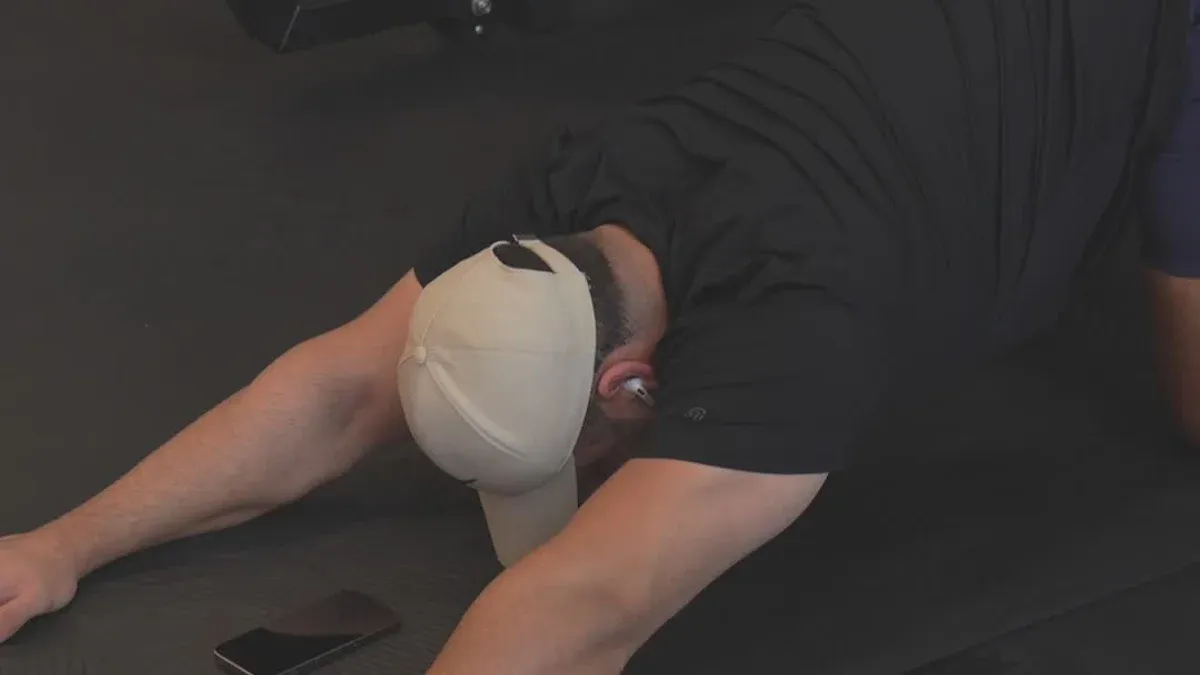
Yes, tight hip flexors can absolutely affect your sleep. When your hip flexors tighten up, you might notice discomfort or even pain that makes it hard to find a comfortable position at night. This tension can pull on your lower back or hips, leaving you tossing and turning. If you wake up feeling stiff or restless, your hip flexors might be the reason. You deserve restful nights—let’s help you get there.
Key Takeaways
-
Tight hip flexors can disrupt your sleep by causing discomfort and pain, making it hard to find a comfortable position.
-
Gentle stretching before bed can help relax your hip flexors, leading to better sleep quality and less pain.
-
Using heat therapy, like a warm pack, can relieve tightness in your hip flexors and promote relaxation before sleep.
-
Tracking your sleep with tools like the Circul Ring 2 MAX can help you understand how hip pain affects your rest and guide improvements.
-
Incorporating daily movement and specific stretches can maintain hip flexibility, reducing the risk of nighttime discomfort.
Tight Hip Flexors and Sleep Disruption
How Tight Hip Flexors Impact Sleep
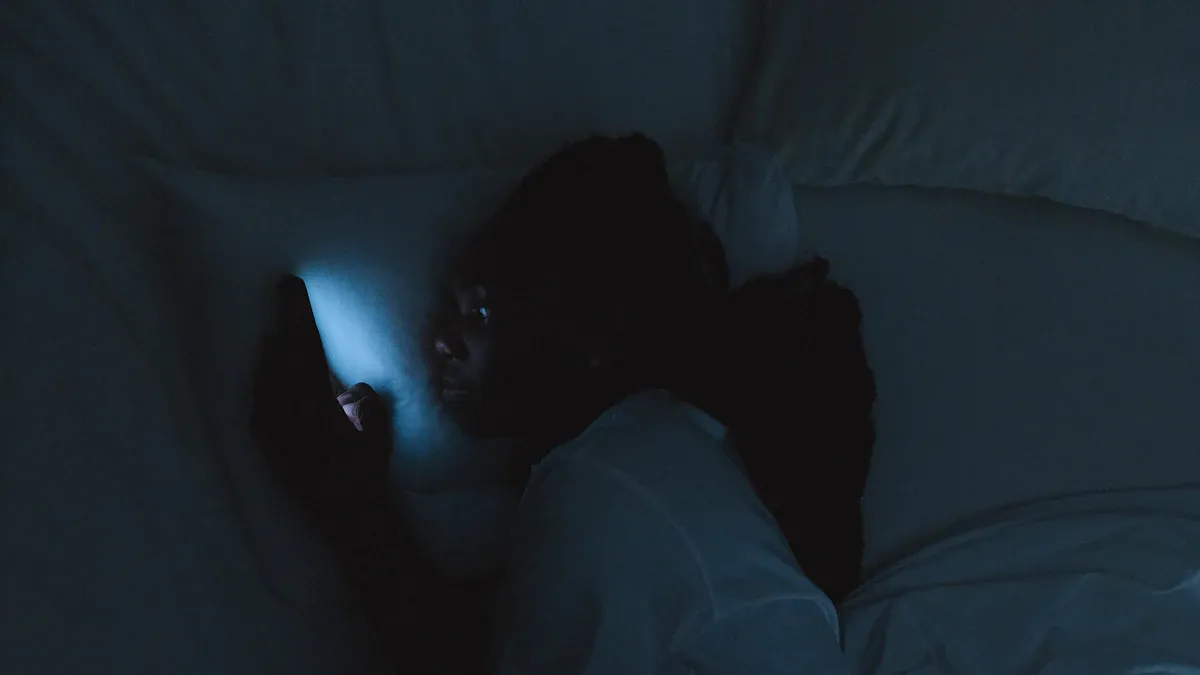
You might not realize it, but tight hip flexors can make it tough to get a good night’s sleep. When your hip flexor muscles tighten up, they can pull on your pelvis and lower back. This tension often leads to hip pain that keeps you from relaxing. You may find yourself shifting positions, trying to escape the discomfort. Sometimes, the pain spreads to your thighs or even your knees. If you wake up with hip pain or feel stiff in the morning, your hip flexors could be the reason.
Many people with tight hip flexors notice that their sleep gets interrupted. You might wake up several times during the night because of hip pain or pressure. This can leave you feeling tired and cranky the next day. If you have chronic hip pain, you may struggle to fall asleep or stay asleep. Your body needs rest to heal, but pain in your hip can make that difficult.
Tip: If you notice hip pain at night, try gentle stretching before bed. This can help relax your hip flexors and make sleep more comfortable.
Pelvic Alignment and Lower Back Stress
Tight hip flexors do more than just cause hip pain. They can also change the way your pelvis sits when you lie down. When these muscles get tight, they pull your pelvis downward. This creates a bigger arch in your lower back. The new position puts extra stress on your spine and can lead to pain while you sleep.
Here’s what happens:
-
Your pelvis tilts forward.
-
Your lower back arches more than usual.
-
The muscles in your back and hips work harder to keep you stable.
-
You feel discomfort or pain, especially when lying on your back or side.
Researchers have found that people with tight hip flexors are more likely to develop lower back pain during sleep. The table below shows how common lower back pain is in people with tight hip flexors compared to those with normal flexibility:
|
Group |
Developed LBP |
Prevalence (%) |
Incidence Rate (RR) |
|---|---|---|---|
|
Tight Hip Flexors |
27 of 172 |
15.7 |
3.17 |
|
Normal Flexibility |
6 of 117 |
5.1 |
- |
As you can see, hip pain and lower back stress go hand in hand. If you have tight hip flexors, you are much more likely to experience pain that disrupts your sleep. Paying attention to your hip health can make a big difference in how well you rest at night.
Recognizing Tight Hip Flexors Affecting Sleep
Common Nighttime Symptoms
You might wonder how tight hip flexors show up when you try to sleep. Many people notice hip pain that starts as soon as they lie down. Sometimes, you feel a dull ache in your hip or a sharp pain that wakes you up. You may toss and turn, searching for a position that eases the discomfort. If you wake up with hip pain, your hip flexor muscles could be the cause.
Here are some common symptoms you might experience at night:
-
Hip pain that gets worse when you lie on your back or side
-
Stiffness in your hip when you wake up
-
Thigh pain that spreads from your hip
-
Numbness or tingling in your hip area
-
Difficulty falling asleep because of hip pain
Note: If you notice chronic hip pain at night, you should pay attention to your hip health. Your body needs rest to recover, but pain can make sleep harder.
Signs of Discomfort During Sleep
You may not realize how much tight hip flexors affect your sleep until you look at your habits. You might wake up several times during the night because of hip pain. Sometimes, you shift positions often, hoping to find relief. You may notice that your hip feels sore or stiff in the morning.
Let’s look at some signs that your hip is bothering you while you sleep:
|
Sign |
What It Means |
|---|---|
|
Frequent position changes |
Trying to ease hip pain |
|
Waking up with hip stiffness |
Hip flexor muscles stayed tight |
|
Restless legs |
Hip discomfort spreads to thighs |
|
Trouble getting comfortable |
Hip pain prevents relaxation |
|
Early morning soreness |
Hip pain builds up overnight |
If you see these signs, your hip flexors might be affecting your sleep. Paying attention to your hip pain can help you find ways to improve your rest and feel better each morning.
Relieving Tight Hip Flexors Before Bed
Evening Stretches and Yoga
You can make a big difference in your hip pain by adding a short stretching routine before bed. Physical therapists recommend gentle movement for 5–15 minutes each evening. This helps your hip flexor muscles relax and makes it easier to fall asleep. Try a simple hip flexor stretch: kneel on one knee (use a cushion), keep your other foot in front with your knee bent, and gently tuck your pelvis under. Lean forward until you feel a stretch at the front of your hip. Hold for a bit, then switch sides.
Here’s why evening stretches and yoga help:
-
Improve flexibility
-
Reduce muscle tension
-
Promote relaxation and stress relief
Static stretching before sleep can help your body unwind and reduce hip pain that keeps you up at night.
Heat Therapy for Hip Flexors
Heat therapy is another great way to get relief from tight hip flexors before bed. You can use a warm pack or take a warm bath to help your muscles relax. Heat boosts blood flow and helps loosen up tight spots. Many people find that using heat on their hip before sleep makes it easier to get comfortable and fall asleep faster. If you struggle with hip pain at night, try placing a heating pad on your hip for 10–15 minutes before you get into bed.
Tip: Always check the temperature of your heat pack to avoid burns. Warm, not hot, works best!
Sleep Positions and Supportive Bedding
The way you sleep can have a big impact on hip pain. Sleeping on your back helps keep your spine in line and spreads your weight evenly. This position takes pressure off your lower back and helps relax your hip flexor muscles. You can place a pillow under your knees to keep your lower back’s natural curve and reduce hip pain. If you prefer sleeping on your side, put a pillow between your knees to keep your hips level.
A supportive mattress and pillow can also reduce hip pain and help you wake up feeling refreshed. Try different sleep positions and bedding until you find what works best for you. Small changes can make a big difference in how your hips feel each morning.
Tracking Sleep Quality With Circul Ring 2 MAX
Monitoring Sleep and Movement
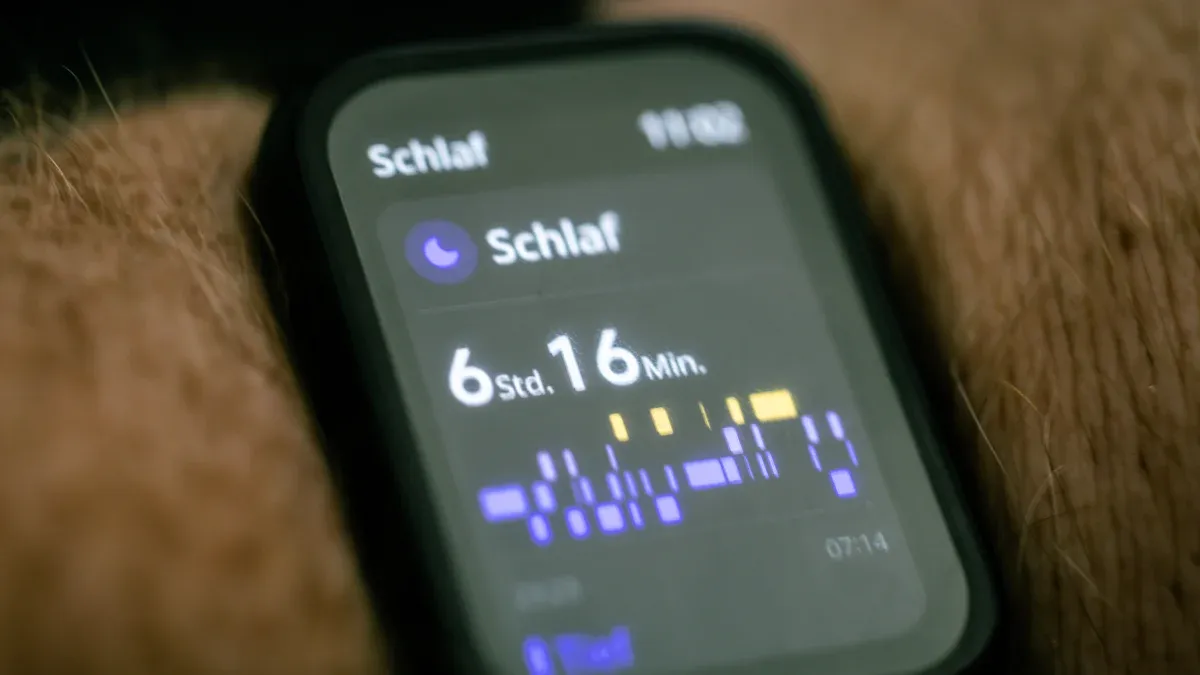
You want to know what happens to your body while you sleep. The Circul Ring 2 MAX makes this easy. You just wear the ring, and it tracks your sleep all night. It checks your sleep stages, how much you move, and even your blood oxygen levels. If you wake up with hip pain, you can look at your data and see if you moved a lot or stayed in one position. This helps you connect your hip pain to your sleep habits.
The Circul Ring 2 MAX does more than just count hours. It uses advanced sensors to watch for signs of sleep apnea. It checks for drops in your blood oxygen while you sleep. If you have tight hip flexor muscles, you might move around more or wake up often. The ring shows you when these things happen. You get a clear picture of your sleep and how your hip feels in the morning.
Tip: Use the Circul app to check your sleep report each morning. Look for times when you moved a lot or woke up. This can help you spot patterns with your hip pain.
Here’s what the Circul Ring 2 MAX tracks for you:
-
Sleep stages (light, deep, REM)
-
Movements and position changes
-
Blood oxygen levels all night
-
Signs of sleep apnea
-
Heart rate and recovery
You get all this information without any wires or bulky devices. The ring’s adaptive comfort design means you can wear it all night, even if you have hip pain or sensitive skin.
Using Data to Improve Sleep and Hip Health
You can use your Circul Ring 2 MAX data to make smart choices for your hip and sleep. The ring gives you a sleep debt score, so you know if you need more rest. It also sends reminders for naps or bedtime, helping you build better sleep habits. If you notice more hip pain after nights with poor sleep, you can try new stretches or change your sleep position.
The Circul Ring 2 MAX shows you how your blood oxygen changes during the night. If you see big drops, you might not be getting enough oxygen. This can make hip pain worse and leave you feeling tired. The ring’s sleep recovery management helps you track how well your body heals overnight. You can see if your hip feels better after nights with good sleep.
Here’s how you can use your data:
|
Circul Feature |
How It Helps Your Hip and Sleep |
|---|---|
|
Sleep stage tracking |
Shows if hip pain wakes you up |
|
Movement analysis |
Finds restless nights from hip pain |
|
Blood oxygen trends |
Spots problems that affect hip recovery |
|
Sleep debt calculation |
Reminds you to catch up on rest |
|
Sleep/nap reminders |
Builds healthy sleep routines |
You don’t have to guess what’s going on with your hip. The Circul Ring 2 MAX gives you real answers. You can share your reports with your doctor or physical therapist. They can help you adjust your routine to reduce hip pain and improve your sleep.
Note: Small changes, like stretching before bed or using a pillow for support, can show up in your Circul data. Watch for less hip pain and better sleep scores over time.
With the Circul Ring 2 MAX, you take control of your hip health and your sleep. You wake up with more energy and less pain, ready to enjoy your day.
Daily Tips for Hip Flexors and Better Sleep
Healthy Habits for Hip Flexibility
You can make a big difference in your hip pain by building healthy habits into your daily routine. When you keep your hip flexor muscles flexible, you reduce the chance of discomfort at night. Try to move often during the day. Sitting for long periods can make your hip tight and lead to hip pain later. Stand up, stretch, and walk around whenever you can.
Here are some simple exercises you can do to help your hip stay loose:
-
Cat and Cow: Move between arching and rounding your back. This helps your hip and spine stay flexible.
-
Frog Stretch: Bend forward and reach for your ankles. You will feel your hip open up.
-
Warrior II Pose: Stretch your hip flexors and strengthen your core. This pose works well if you sit a lot.
-
Pigeon Pose: Deeply stretch your hip flexors. You will notice less hip pain after doing this regularly.
-
Lizard Lifts: Target the front of your hips. These lifts improve flexibility and mobility.
Tip: Try to add these stretches to your morning or evening routine. You will notice less hip pain and more comfort during sleep.
Incorporating Smart Sleep Insights
You can use smart sleep technology to track your progress and make better choices for your hip. The Circul Ring 2 MAX gives you real-time feedback on your sleep and hip pain patterns. Check your sleep data each morning. Look for nights when you had less hip pain and better sleep. Use this information to adjust your routine.
If you see that hip pain increases after days with little movement, try to add more stretching or walking. When your sleep improves, your hip feels better too. You can set reminders for stretching or bedtime using your smart ring. This helps you build habits that support hip health and better sleep.
Note: Small changes in your daily routine can lead to big improvements in hip pain and sleep quality. Stay consistent and listen to your body.
You can take charge of your hip health and get better sleep. Start by checking your hip flexibility with simple moves. Add a few stretches like lunging hip flexor stretch or glute bridge. Try short sessions after waking, before bed, or when you feel hip pain. Watch out for sharp pain and remember to stretch your glutes too. Notice how your hip feels during daily tasks. Use Circul Ring 2 MAX to track your hip pain and see real progress. You deserve restful nights and pain-free mornings!
FAQ
Can tight hip flexors really wake me up at night?
Yes, they can. Tight hip flexors often cause discomfort or pain that interrupts your sleep. You might toss and turn or wake up feeling stiff. Paying attention to your hip health can help you sleep better.
How do I know if my hip flexors are tight?
You might notice hip pain, stiffness, or trouble getting comfortable in bed. If you wake up sore or change positions often, your hip flexors could be tight. Try gentle stretches to see if they help.
Will stretching before bed help my sleep?
Absolutely! Stretching helps relax your hip flexors and reduces tension. You may find it easier to fall asleep and stay asleep. Even five minutes of gentle movement can make a difference.
How does the Circul Ring 2 MAX help with hip pain and sleep?
The Circul Ring 2 MAX tracks your sleep stages, movement, and recovery. You can see patterns between hip pain and restless nights. Use the data to adjust your routine and improve both your hip health and sleep quality.